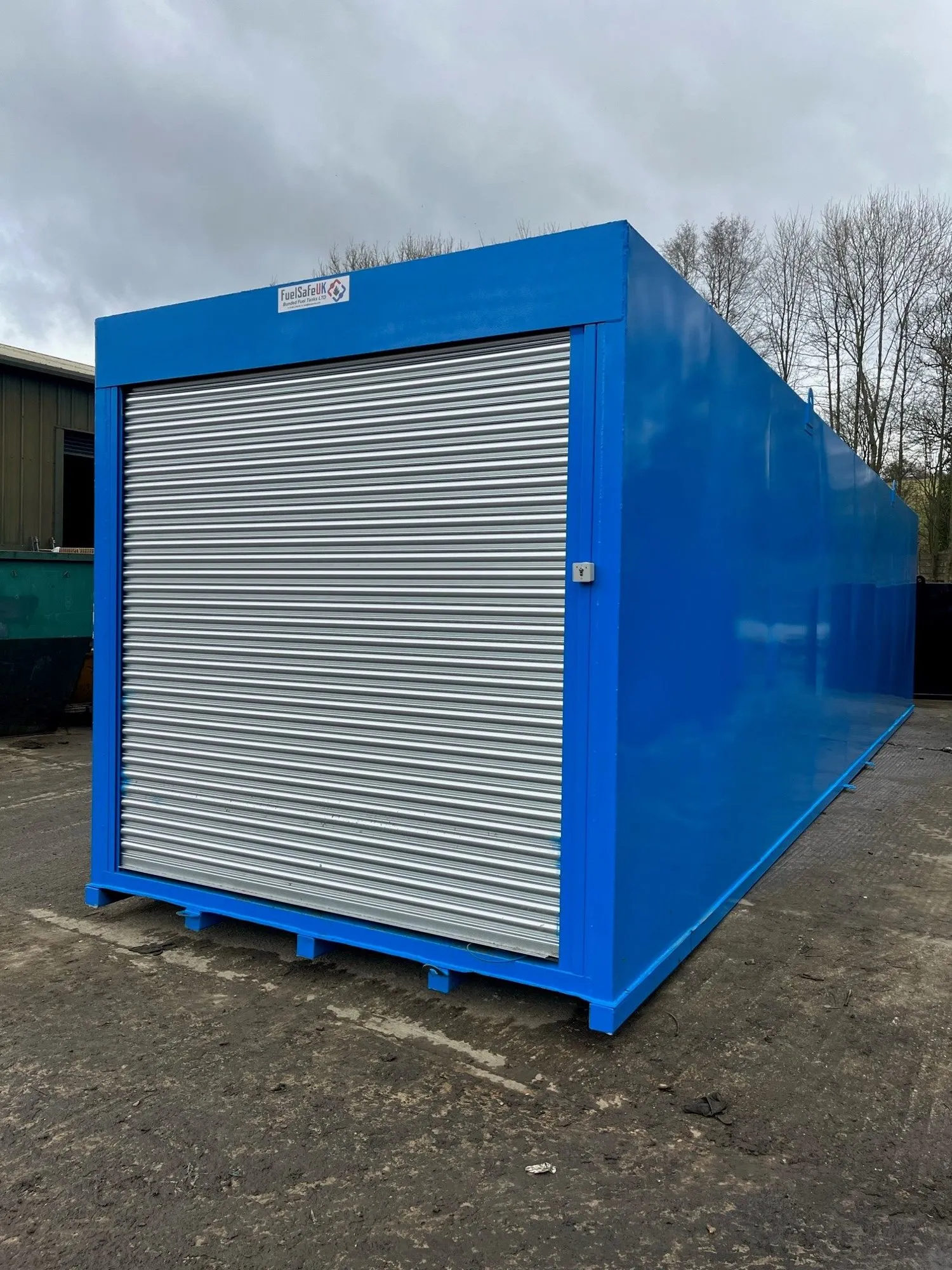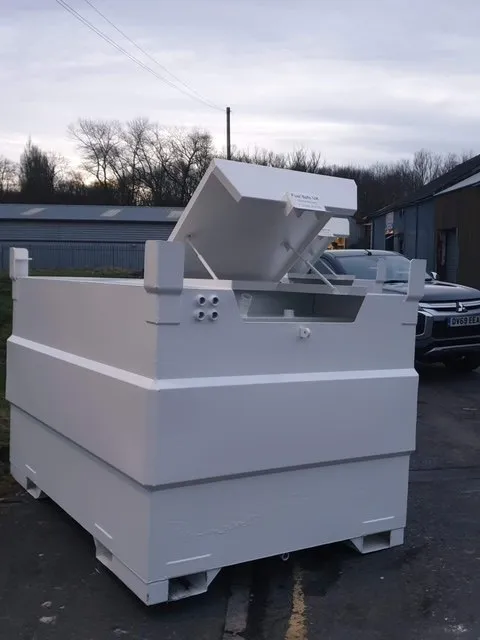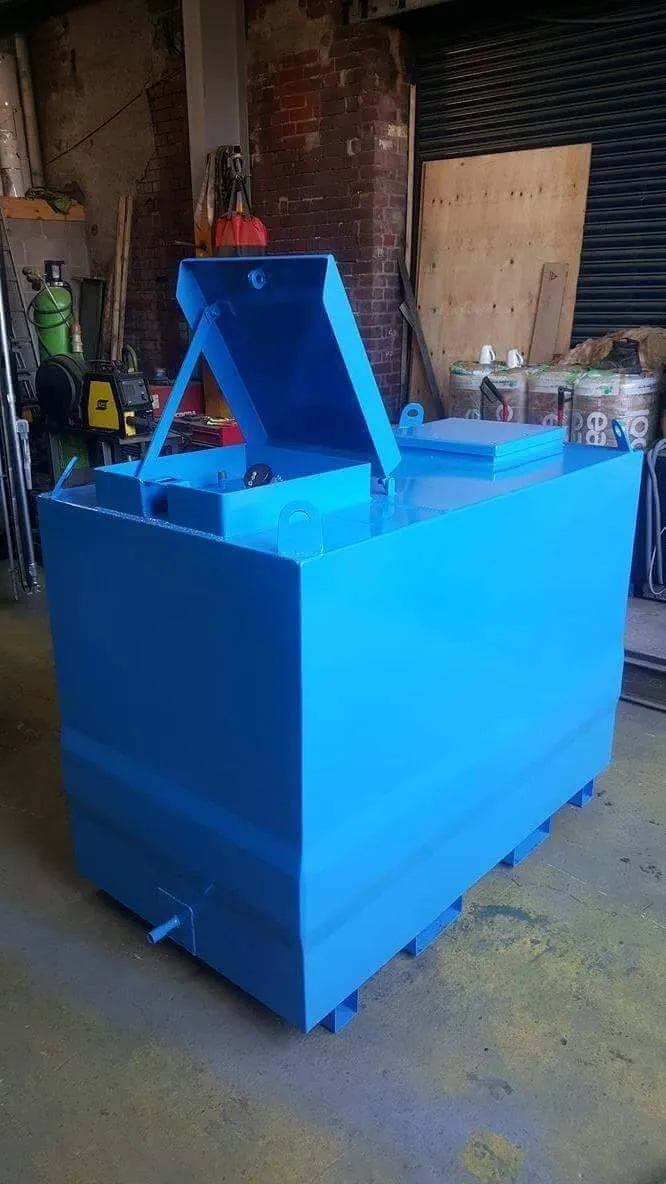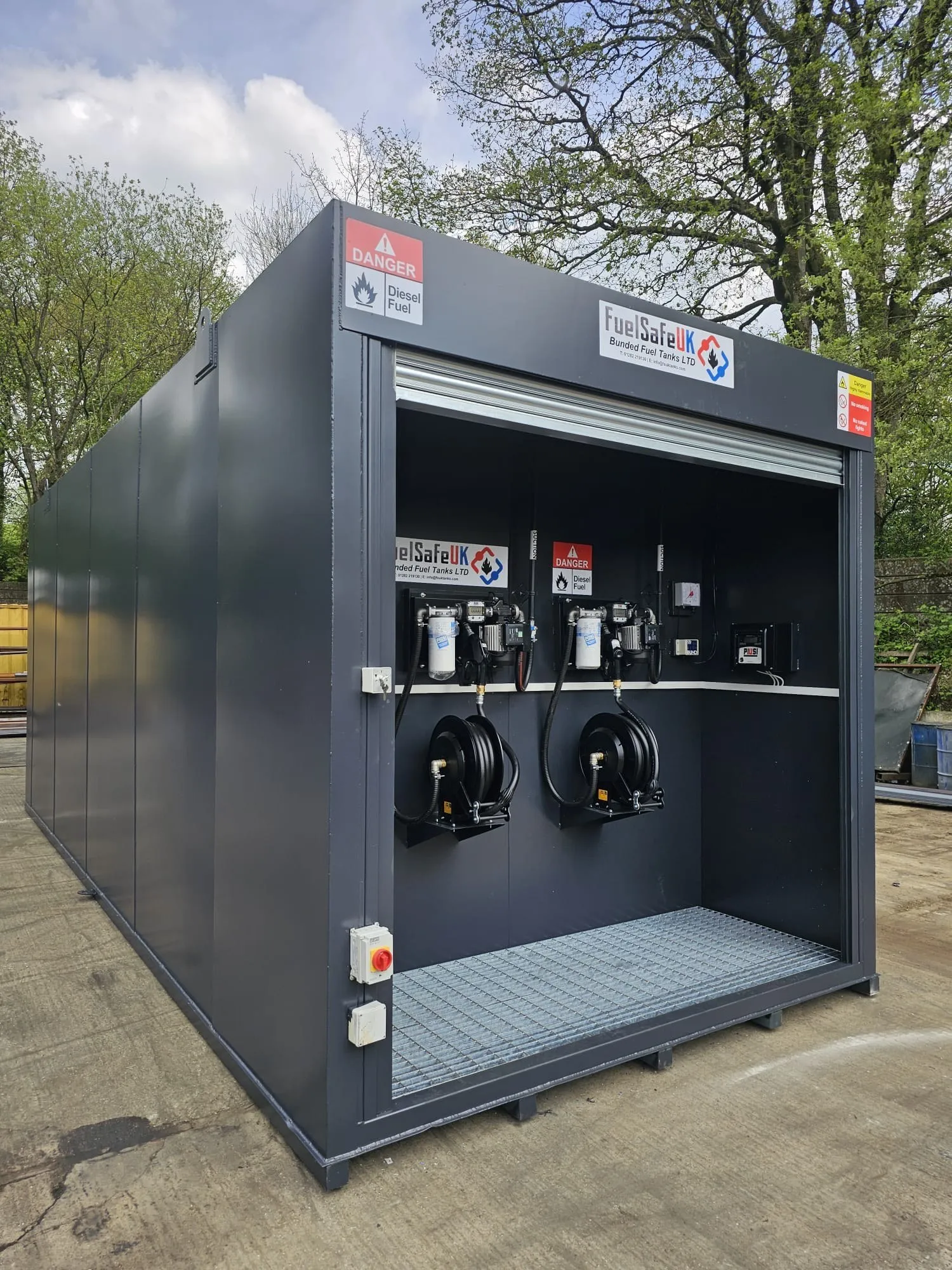
Buying too small means running out and re-ordering more often than you'd like. Buying too big means paying for capacity, and site space, you don't need. Getting the size right comes down to a few practical questions rather than guesswork.
Start with how much you actually use
Work out your current weekly or monthly fuel consumption, plant, vehicles, generators, whatever the tank needs to supply, and use that as your baseline. If you don't already track this, your fuel invoices or delivery records over the last few months are usually the quickest way to get a realistic figure.
Factor in delivery frequency
A bigger tank means fewer deliveries, which matters if you're on a site that's awkward to access, pay a delivery charge each time, or simply want to reduce how often you're relying on next-day availability. As a rule of thumb, sizing for three to four weeks of typical usage between deliveries gives a reasonable buffer without over-specifying.
Common size bands and what they suit
- Up to 1,000L, small sites, single vehicles, backup or domestic use, or where space is genuinely tight.
- 1,000-2,500L, light commercial use, smaller farms, single-plant construction sites.
- 2,500-5,000L, busier farms, multi-vehicle fleets, medium construction sites.
- 5,000-10,000L, larger commercial operations, sites running several pieces of plant, businesses buying fuel in bulk to save on price.
- 10,000L+, fleet depots, large agricultural operations, bulk resale, or sites acting as a central fuel point for multiple vehicles or contractors.
These are general bands rather than fixed rules, a bespoke build can sit anywhere between or above them depending on what you need.
Leave room to grow
If your fuel usage is likely to increase, more vehicles, more plant, a growing site, it's often worth sizing up rather than buying exactly what you need today. Reordering fuel more often than necessary costs more in the long run than the modest extra cost of a slightly larger tank.
Site and access constraints
Capacity isn't the only factor, check the tank will actually fit where it needs to go, that delivery vehicles can access the site, and that the required concrete base and clearance around the tank are achievable. It's often these physical constraints, not the fuel usage calculation, that end up setting the real ceiling on size.
Multi-compartment tanks
If you need to store more than one fuel type, or keep supplies separate for different vehicles or clients, a multi-compartment tank can be built to your specification rather than running two separate tanks side by side.
Not sure? Get a recommendation
If you're not confident in the calculation, tell us your typical usage and site constraints and we'll recommend a size, see our guide to bunded fuel tank costs for how price scales with capacity, or get in touch and we'll talk it through.