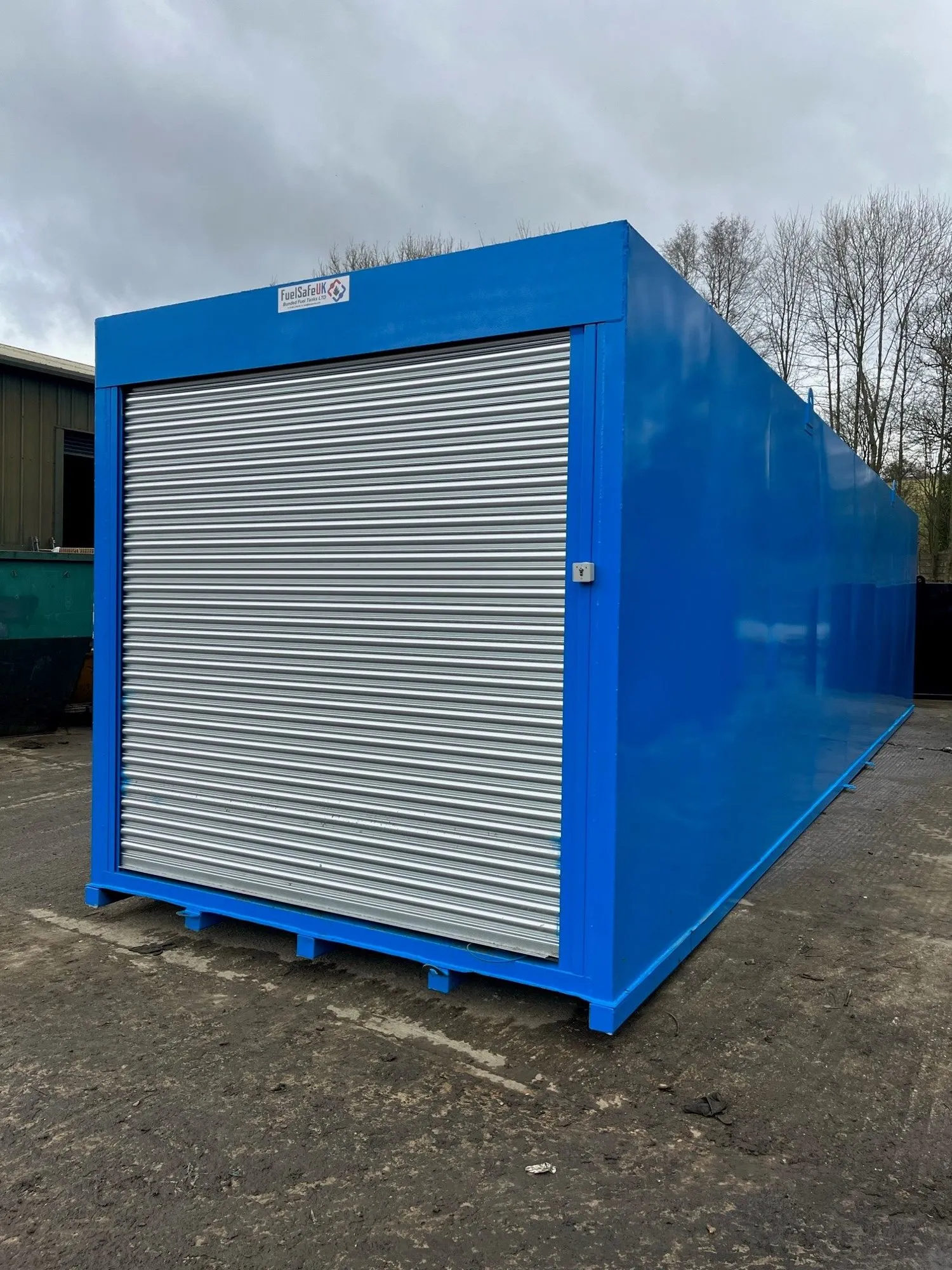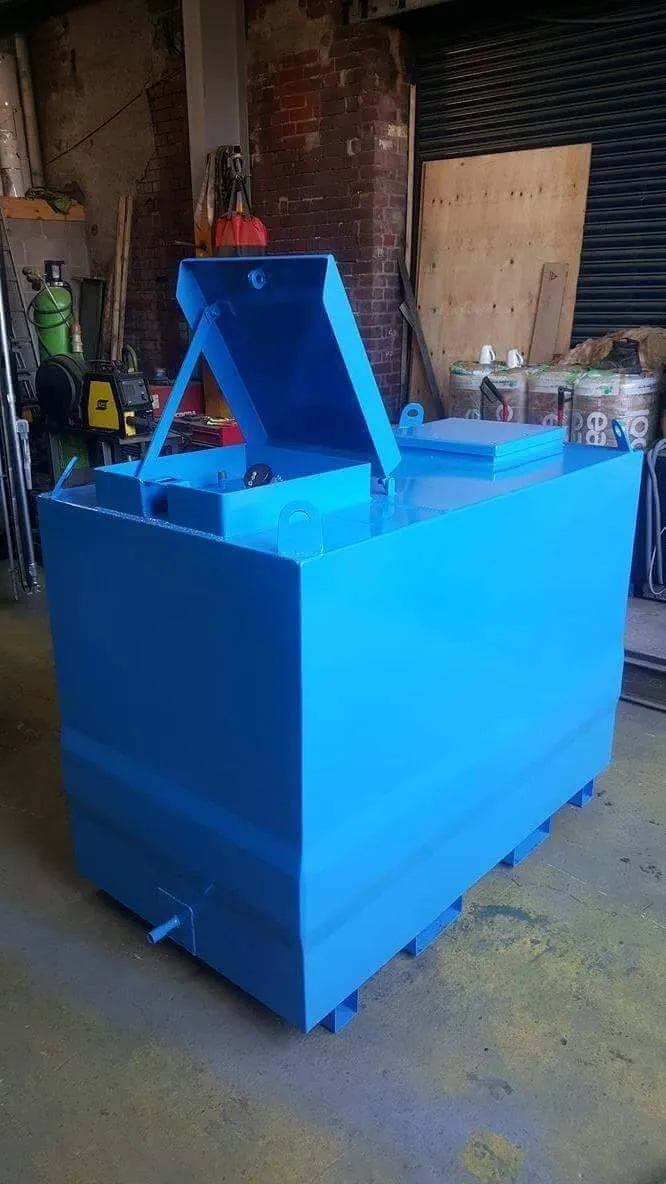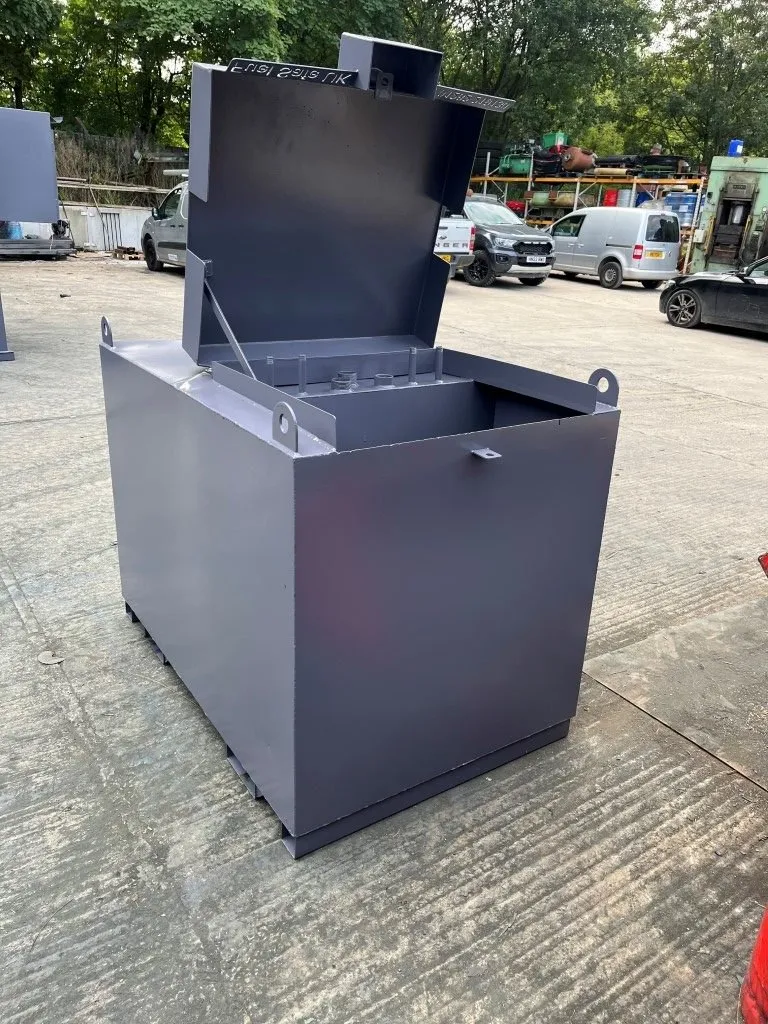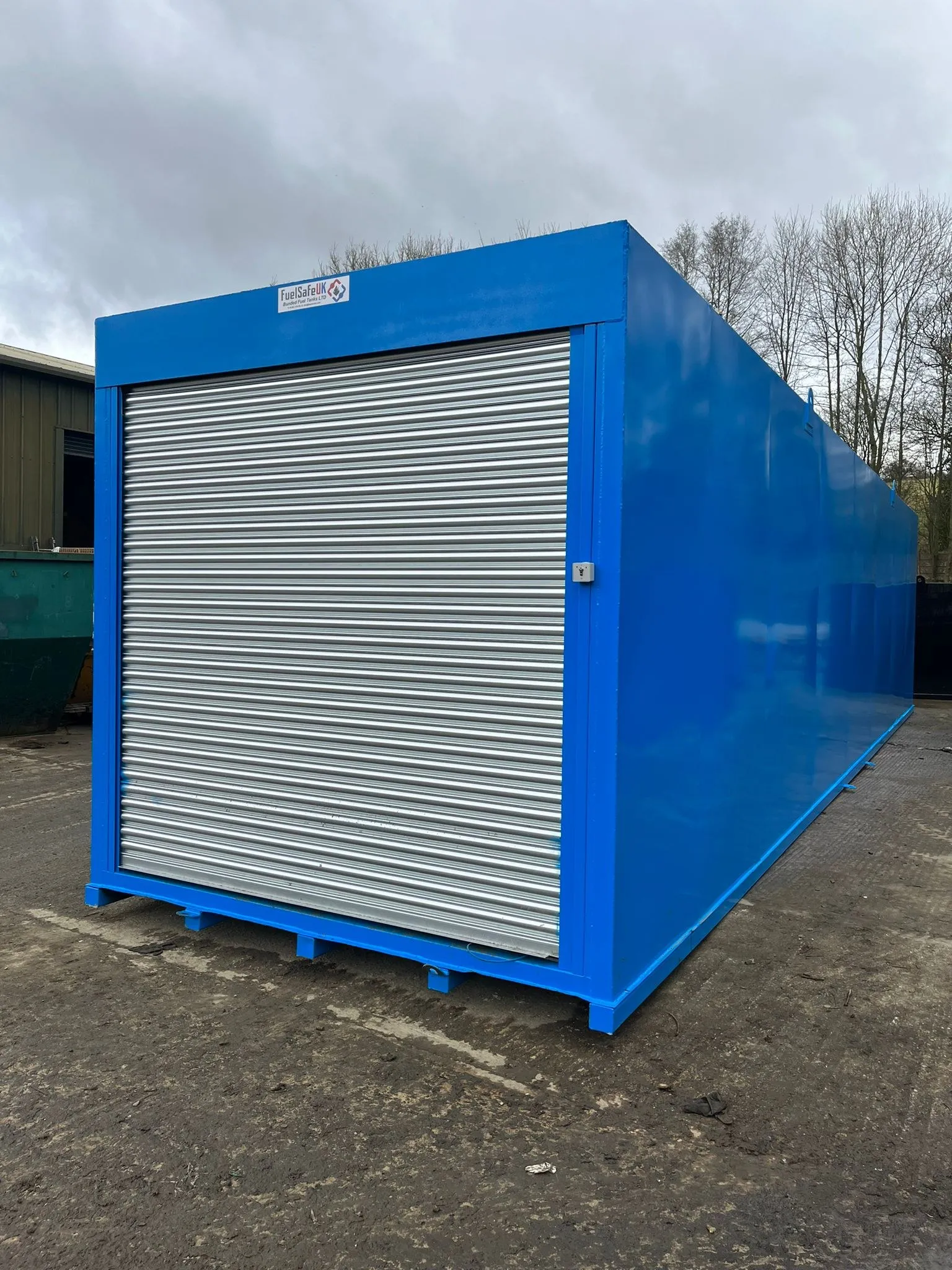
Since April 2022, most businesses in the UK have no longer been entitled to use red diesel, the rebated, dyed diesel that used to be standard for off-road plant, generators and machinery across construction, and much of industry. If you're still budgeting or planning fuel storage around red diesel being an option, here's where things actually stand now.
What changed
Red diesel used to be available at a reduced rate of duty for most off-road use, construction plant, generators, and similar. From April 2022, the government removed that entitlement for most sectors, meaning the majority of red diesel users switched to standard-rate (white) diesel, taxed the same as diesel used on the road.
Who can still legally use red diesel
The entitlement wasn't removed for everyone. It still applies to a defined list of uses, including:
- Agriculture, horticulture, fish farming and forestry (including verge cutting, hedge cutting, snow clearance and gritting carried out using agricultural vehicles)
- Rail transport
- Heating and electricity generation in non-commercial premises (homes, places of worship, hospitals, off-grid generation)
- Amateur sports clubs and golf courses
- Marine craft (fishing and freight, with an exception for private pleasure craft in Northern Ireland)
- Travelling fairs and circuses
If you're not in one of these categories, most notably construction, and most commercial and industrial plant, you should be running on standard diesel, and any fuel tank supplying that equipment should be set up accordingly.
What this means for fuel storage
If you're still storing or dispensing red diesel for a use that no longer qualifies, that's worth sorting out, HMRC can inspect fuel tanks and vehicles, and using rebated fuel outside the permitted categories carries real penalties. If you're in one of the categories that still qualifies (farming is the big one), your storage and dispensing setup doesn't need to change on this front, though it's still worth checking your tank meets current bunded fuel tank regulations.
Need a tank set up correctly for your fuel type and use case? Get in touch and we'll help you get the specification right.