If your business stores diesel, oil or other fuel on site, there's a good chance the law requires it to be bunded, and getting it wrong can mean fines, clean-up costs and insurance problems, on top of the environmental risk. This guide walks through what UK oil storage regulations actually require, in plain English, so you know where you stand before you buy or install a tank.
This is a general guide, not legal advice. Requirements can vary by nation and by sector, so always confirm your specific obligations with the Environment Agency (England), SEPA (Scotland), Natural Resources Wales, or a qualified installer.
The core legislation
The main rules for England are set out in the Control of Pollution (Oil Storage) (England) Regulations 2001, enforced by the Environment Agency. They apply to businesses storing more than 200 litres of oil above ground at a workplace, and to domestic properties storing more than 3,500 litres. Scotland, Wales and Northern Ireland have broadly similar but separately administered regimes, so it's worth checking the current position for your location.
In short: if you're a business with a fuel or oil tank holding over 200 litres, you're almost certainly required to have secondary containment in place.
What "bunded" actually means, legally
A secondary containment system, a bund, or in some cases a drip tray, has to be able to hold at least 110% of the tank's capacity if it's a single tank. Where a bund contains multiple tanks, mobile bowsers or IBCs, the requirement is whichever is greater of: 110% of the largest single container, or 25% of the combined capacity of everything stored within it. This is designed to make sure that even in a worst-case failure, the containment can hold what's escaped without it reaching drains, watercourses or soil.
Design standards to look for
Not any secondary containment will do, tanks need to meet a recognised design standard. The regulations point to British Standard BS 5410, or the OFTEC standards: OST T100 for plastic containers, and OFS T200 or BS 799-5 for steel. This is part of why the material and construction of a tank matters as much as its capacity, a tank built to a lower spec than these standards won't satisfy the regulations even if it happens to have a bund.
The agricultural exemption, and where it stops applying
Farms get a specific carve-out: oil storage used in connection with agriculture is exempt from the 2001 Oil Storage Regulations if the total amount stored is under 1,500 litres. Above that threshold, agricultural fuel storage instead falls under the Silage, Slurry and Agricultural Fuel Oil Regulations 2010 (SSAFO), which set out their own bunding and siting requirements, broadly similar in spirit but with some differences that matter, particularly around distance from watercourses. If you're supplying or advising farming clients, it's worth being explicit about which set of rules applies, since assuming the general oil storage regs cover a farm can lead to the wrong conclusion. For the full picture on using bunded tanks on a farm, see our guide to bunded fuel tanks in farming
Getting the practical details right
- Siting: tanks should be positioned away from drains, watercourses and areas prone to flooding.
- Fill points and delivery: sited so a delivery driver can see the tank while filling, reducing overfill risk.
- Valves and fittings: any taps, valves or sight gauges should be positioned inside the bund, not outside it, so a leak from a fitting is also contained.
- Inspection: bund walls, seals and valves should be checked regularly for cracks, corrosion or deterioration, this is exactly what an annual service is for.
- Documentation: keep records of tank specification, installation and servicing, useful both for compliance and for insurance.
What happens if you get it wrong
The Environment Agency (and equivalent bodies elsewhere in the UK) can take enforcement action against non-compliant storage, and a leak or spill can bring clean-up costs, environmental damage, and disputes with insurers who may query cover if storage wasn't compliant at the time of a loss. Getting the tank and its containment right from the outset is considerably cheaper than dealing with the aftermath of a failure.
A quick compliance checklist
- Is your total oil/fuel storage over 200 litres (business) or 3,500 litres (domestic)?
- If you're a farm, is your storage over 1,500 litres, bringing SSAFO into play instead?
- Does your tank's bund hold at least 110% of its capacity (or 25% of combined capacity for multiple containers)?
- Is the tank built to BS 5410, OFTEC OST T100, OFS T200 or BS 799-5?
- Are fill points, valves and gauges correctly sited relative to the bund?
- Is there a servicing schedule in place to catch deterioration early?
Need a compliant tank?
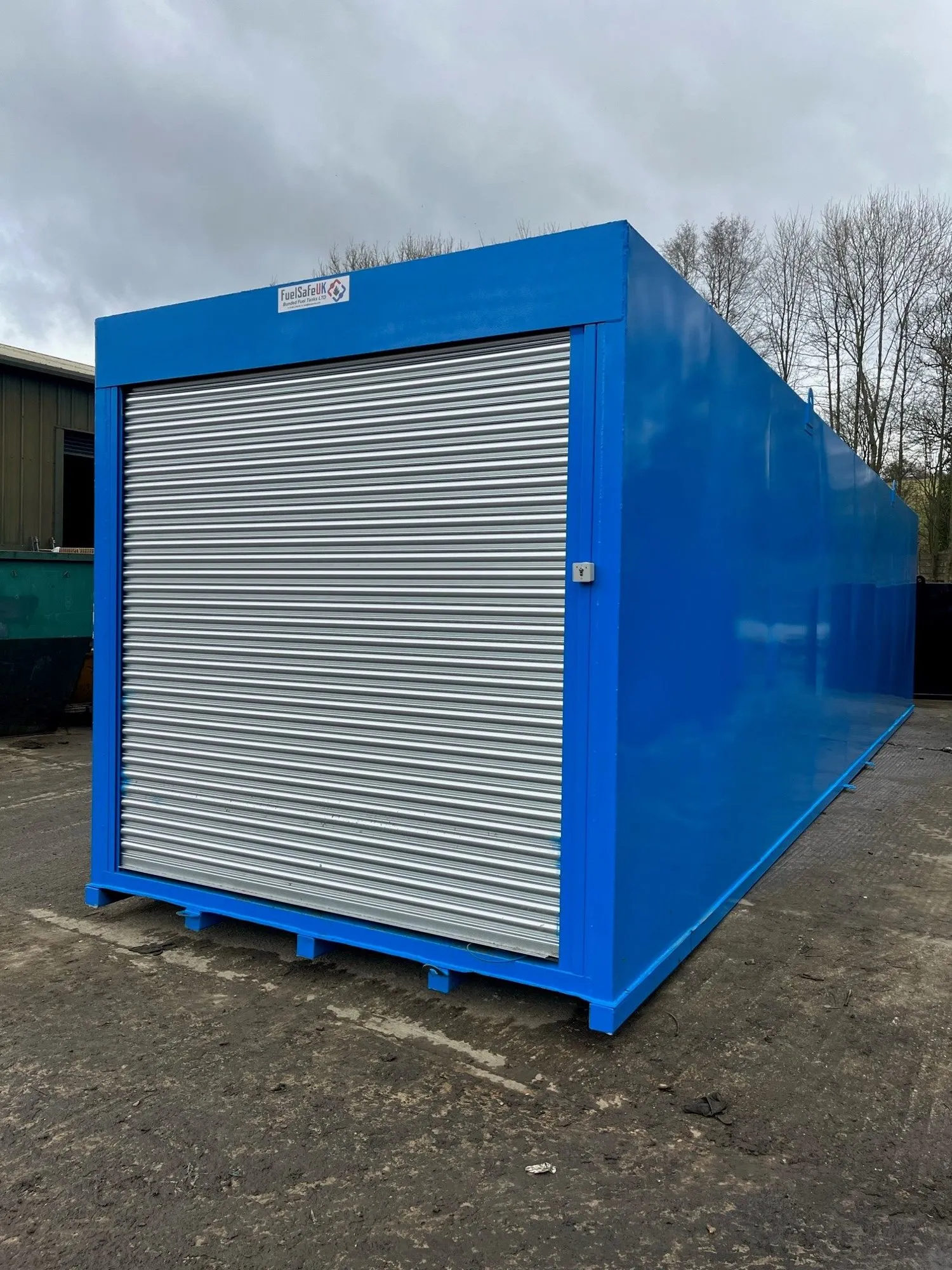
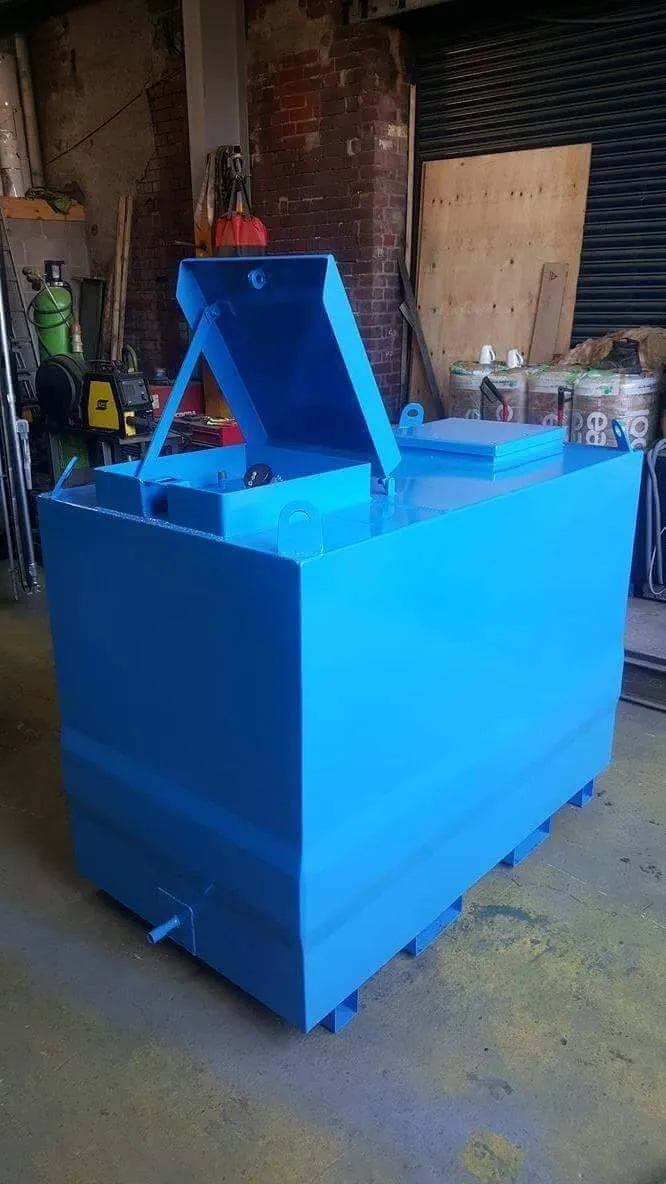
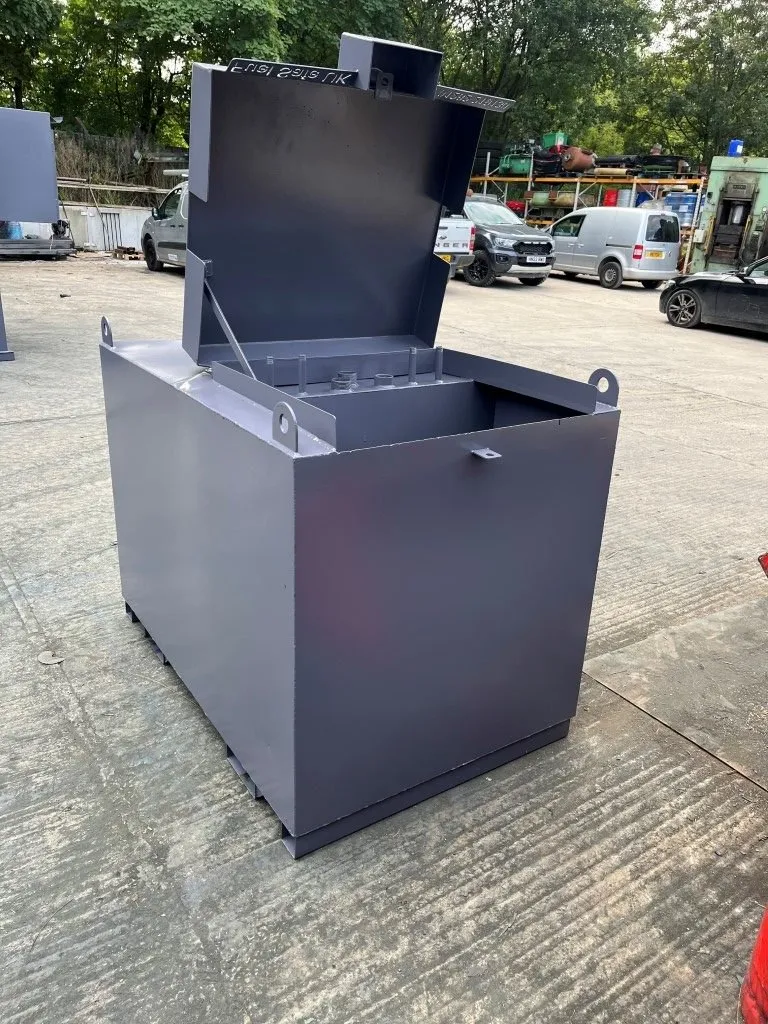
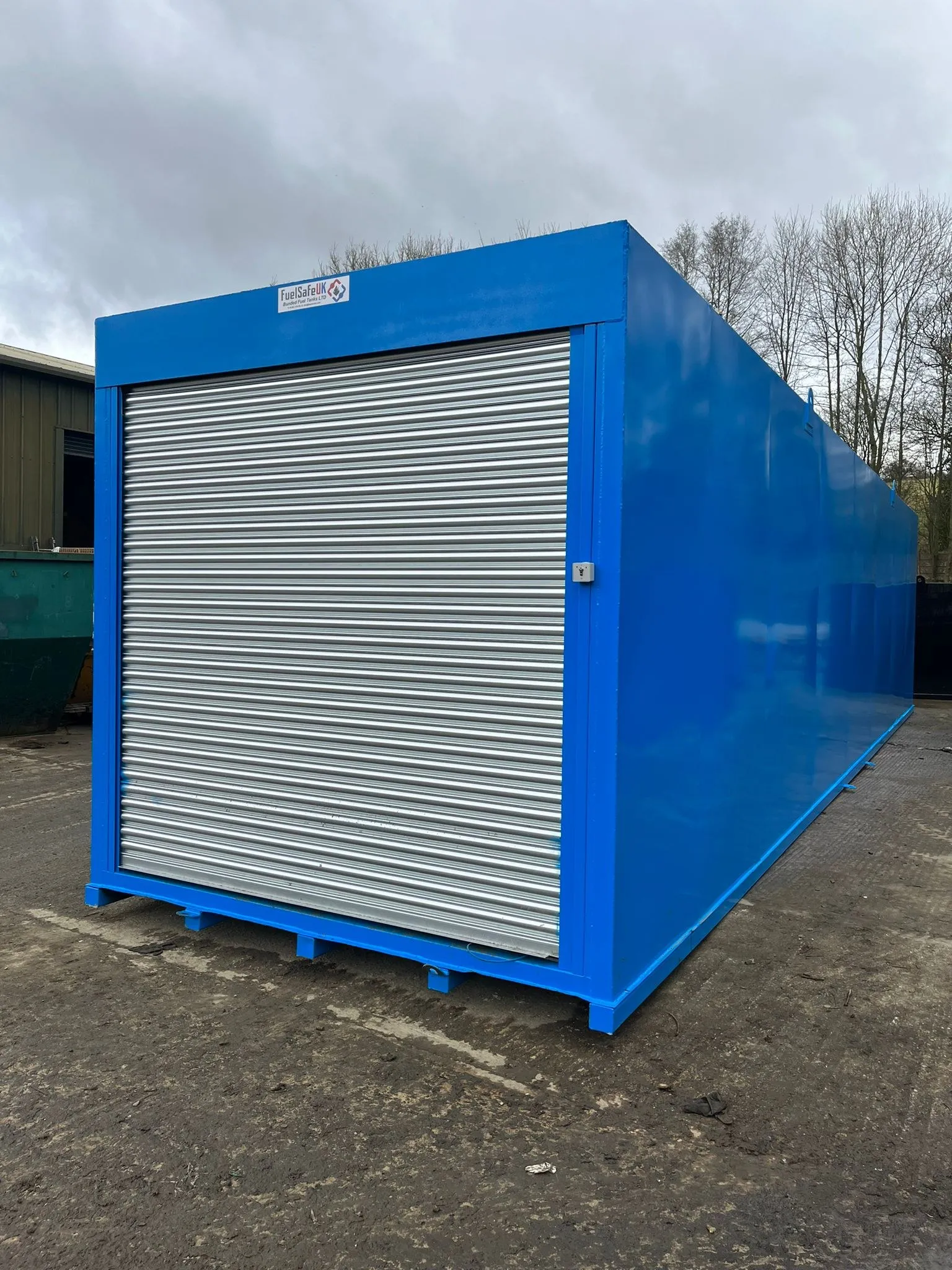
All of our steel bunded fuel tanks are built to comply with current UK safety regulations as standard, backed by a 20 year warranty and annual servicing options to keep you compliant year after year. If you're not sure what your site needs, get in touch and we'll talk it through, and if you're weighing up budget as well as compliance, our guide to bunded fuel tank costs in 2026 is a good next read.