Farms don't fall under quite the same fuel storage rules as a standard commercial site. There's a specific exemption for smaller quantities, and a separate set of standards once you're above it. Here's how it actually breaks down.
This is general guidance, not legal advice, for the current detailed requirements, check with the Environment Agency (or SEPA in Scotland, Natural Resources Wales), since specifics can change and vary by nation.
The general oil storage regulations don't fully apply to farms
Under the Control of Pollution (Oil Storage) Regulations, businesses storing more than 200 litres of fuel above ground would normally need bunded containment. Fuel stored for agricultural use has its own exemption from these general regulations, up to 1,500 litres, but that exemption doesn't apply to all farm fuel storage regardless of quantity.
Where SSAFO takes over
Once agricultural fuel storage goes above that threshold, it's covered instead by the Silage, Slurry and Agricultural Fuel Oil Regulations 2010 (SSAFO), England's specific regime for farm fuel and effluent storage. SSAFO sets its own requirements for secondary containment, siting and construction of agricultural fuel tanks, distinct from (though broadly similar in spirit to) the general oil storage regulations that apply to non-agricultural businesses. Scotland, Wales and Northern Ireland have their own equivalent regimes, so it's worth checking which applies if you farm across a border or aren't sure which nation's rules cover your site.
Why it's easy to get this wrong
Because farms are used to hearing “under 200 litres, no bunding needed” from general oil storage guidance, it's a common mistake to assume the same line applies to agricultural storage. It doesn't, the agricultural exemption threshold is different (1,500 litres), and once you're above it, SSAFO's specific siting and construction standards apply, not just a generic bunding requirement.
What to check before you buy or install
- Confirm your total agricultural fuel storage, including any additional tanks already on site, against the current exemption threshold.
- If you're above it, check your tank's construction and bund capacity meet current SSAFO requirements, worth confirming with your supplier before you order, not after.
- Siting matters as much as the tank itself, distance from watercourses, drains and boundaries has specific rules under SSAFO, so get the location right at the planning stage.
- Meeting the minimum legal standard and running a genuinely safe, well-maintained site aren't always exactly the same thing, SSAFO is a floor, not necessarily best practice on its own.
We build for agricultural use
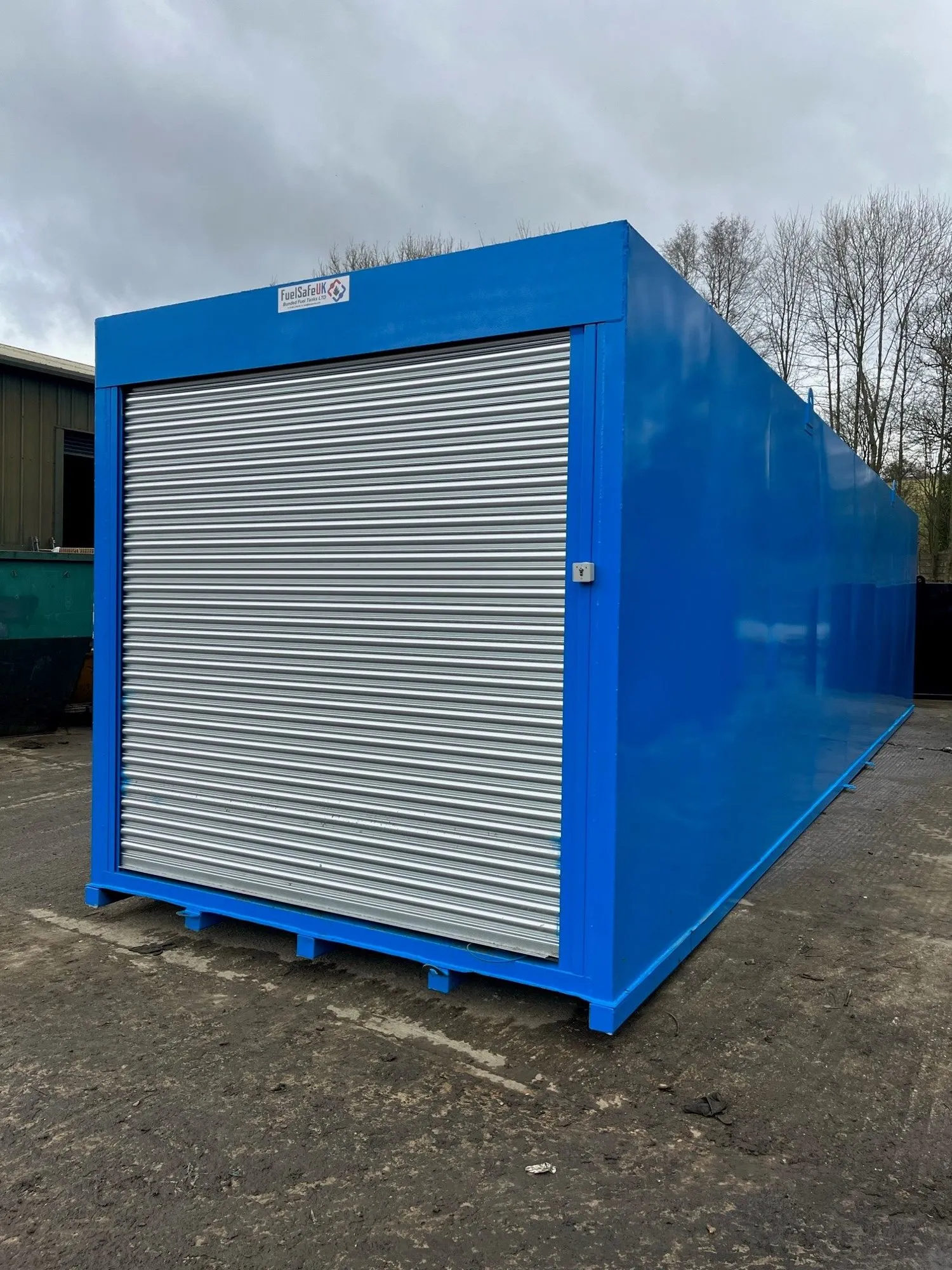
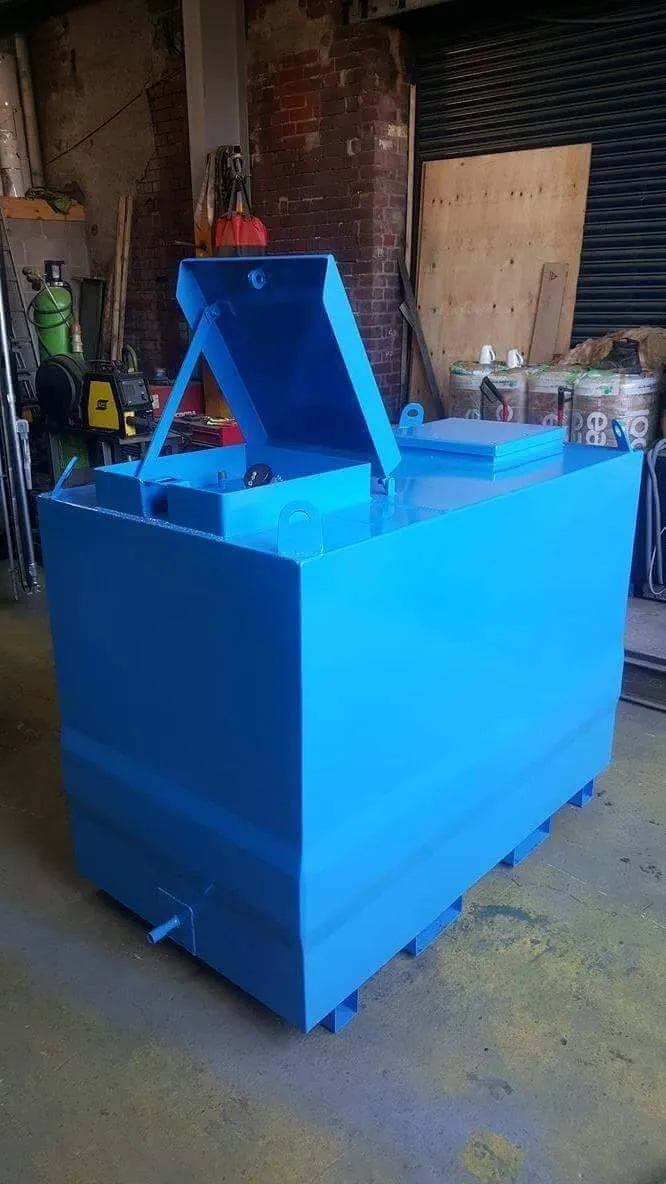
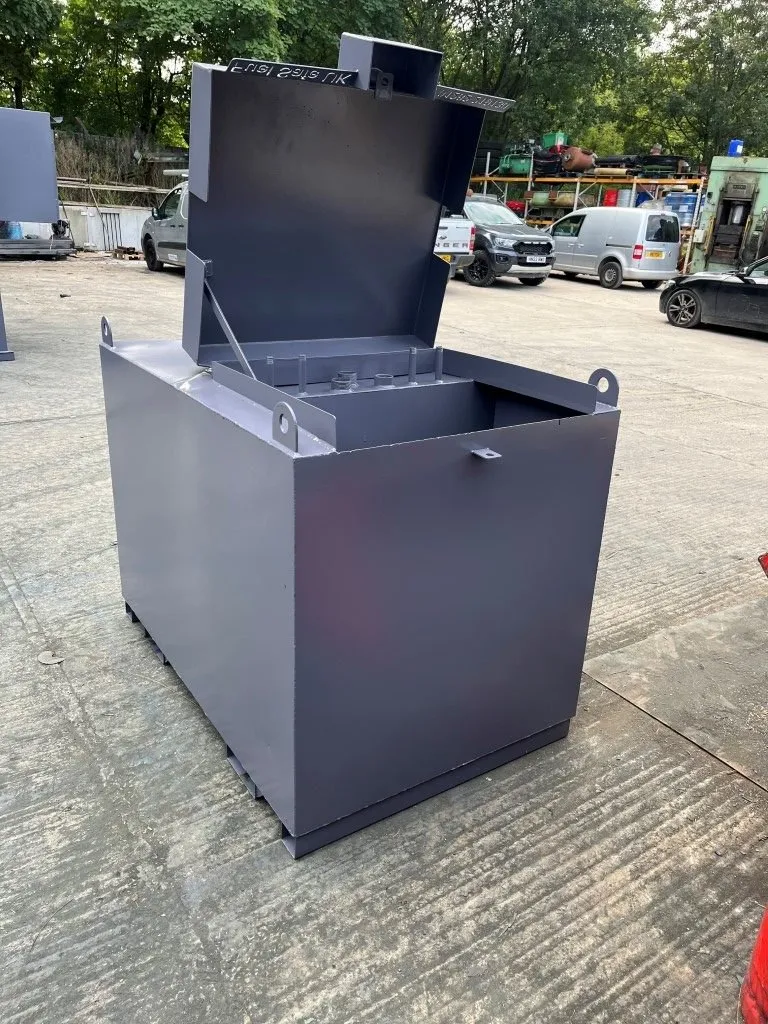
Our steel bunded fuel tanks are used across UK farms of all sizes, from smaller holdings to large-scale operations, see our guide on using bunded fuel tanks in farming for more on sizing and choosing the right setup, or get in touch and we'll help make sure what you're buying is right for your site.