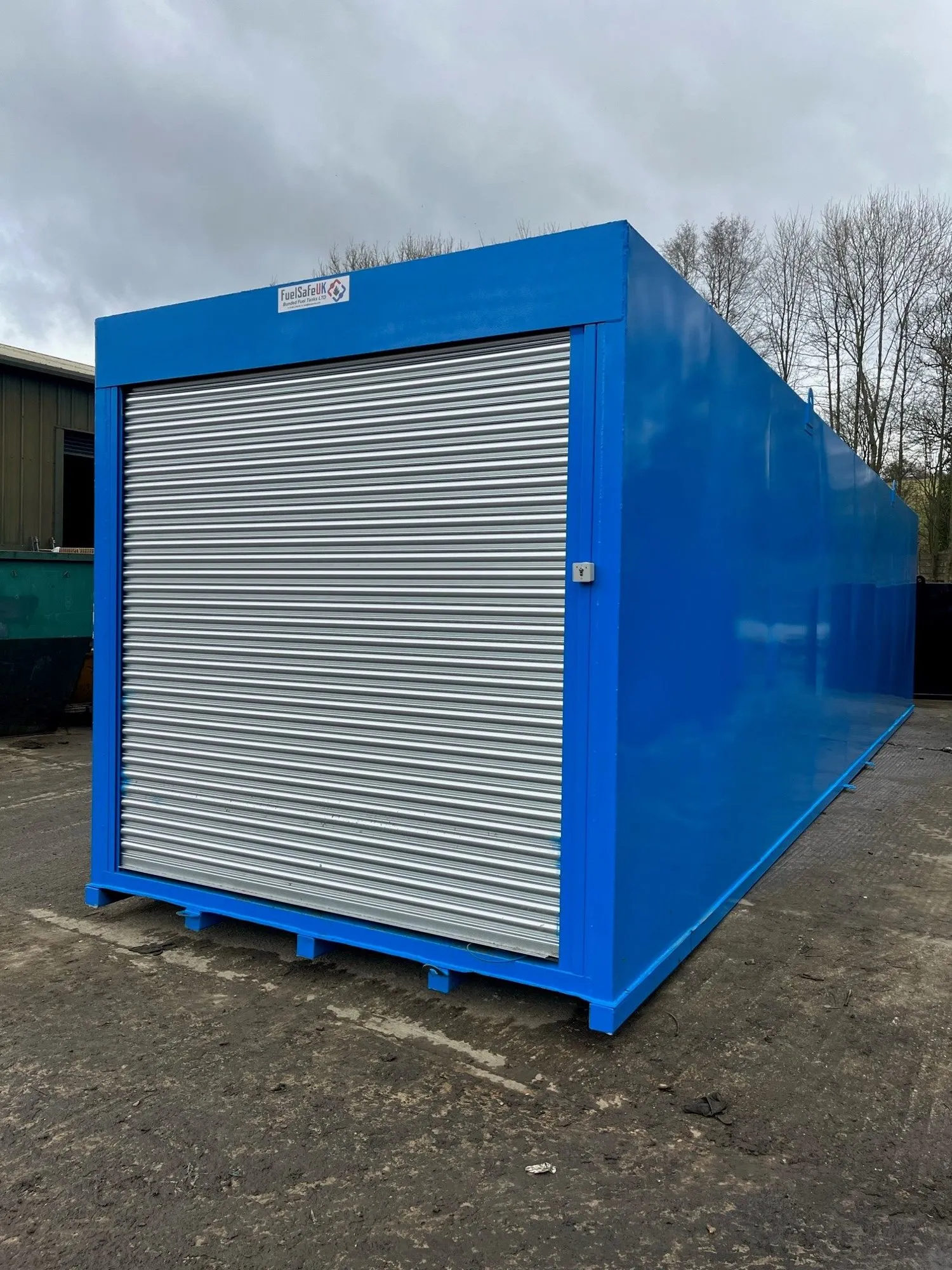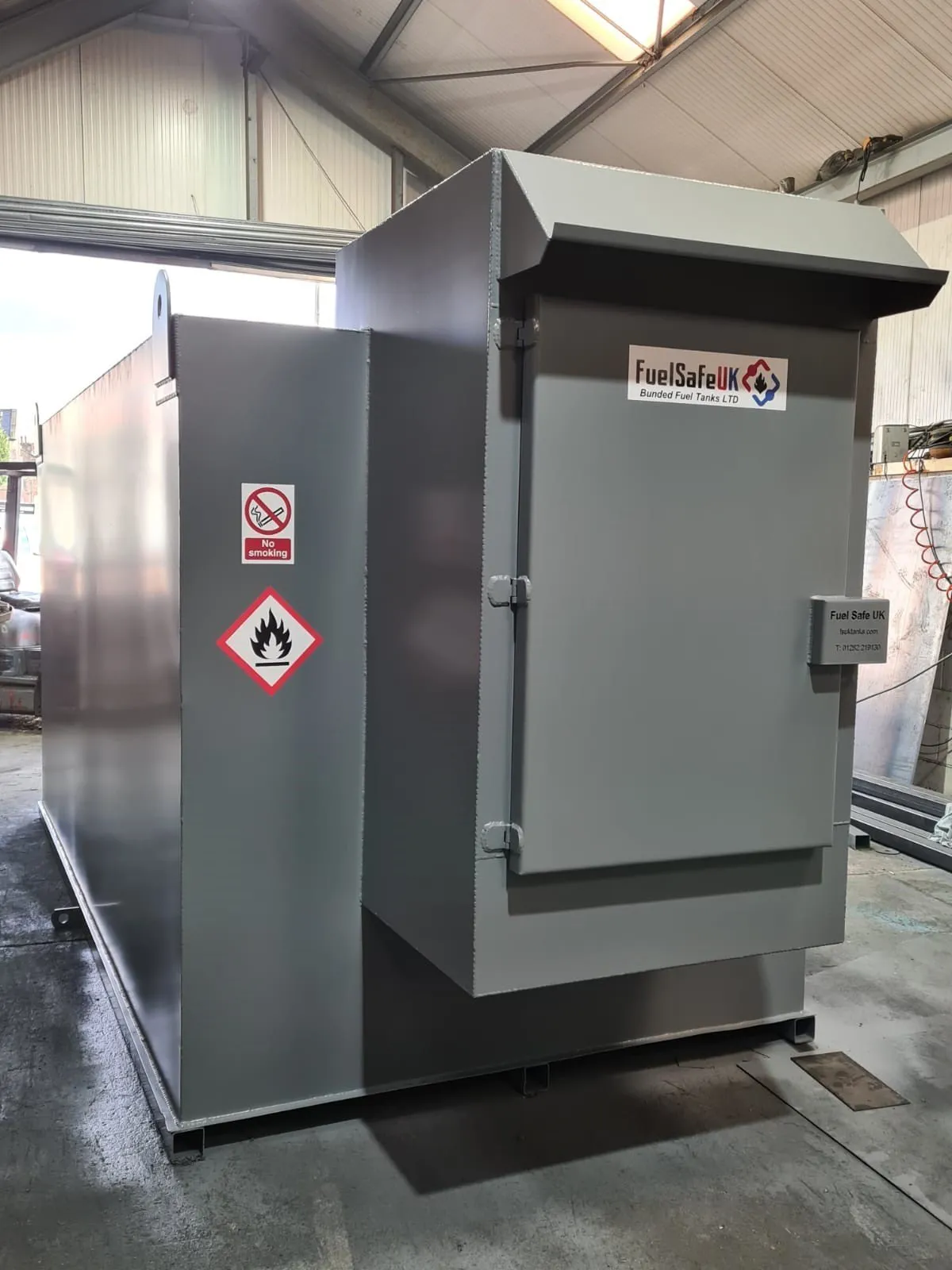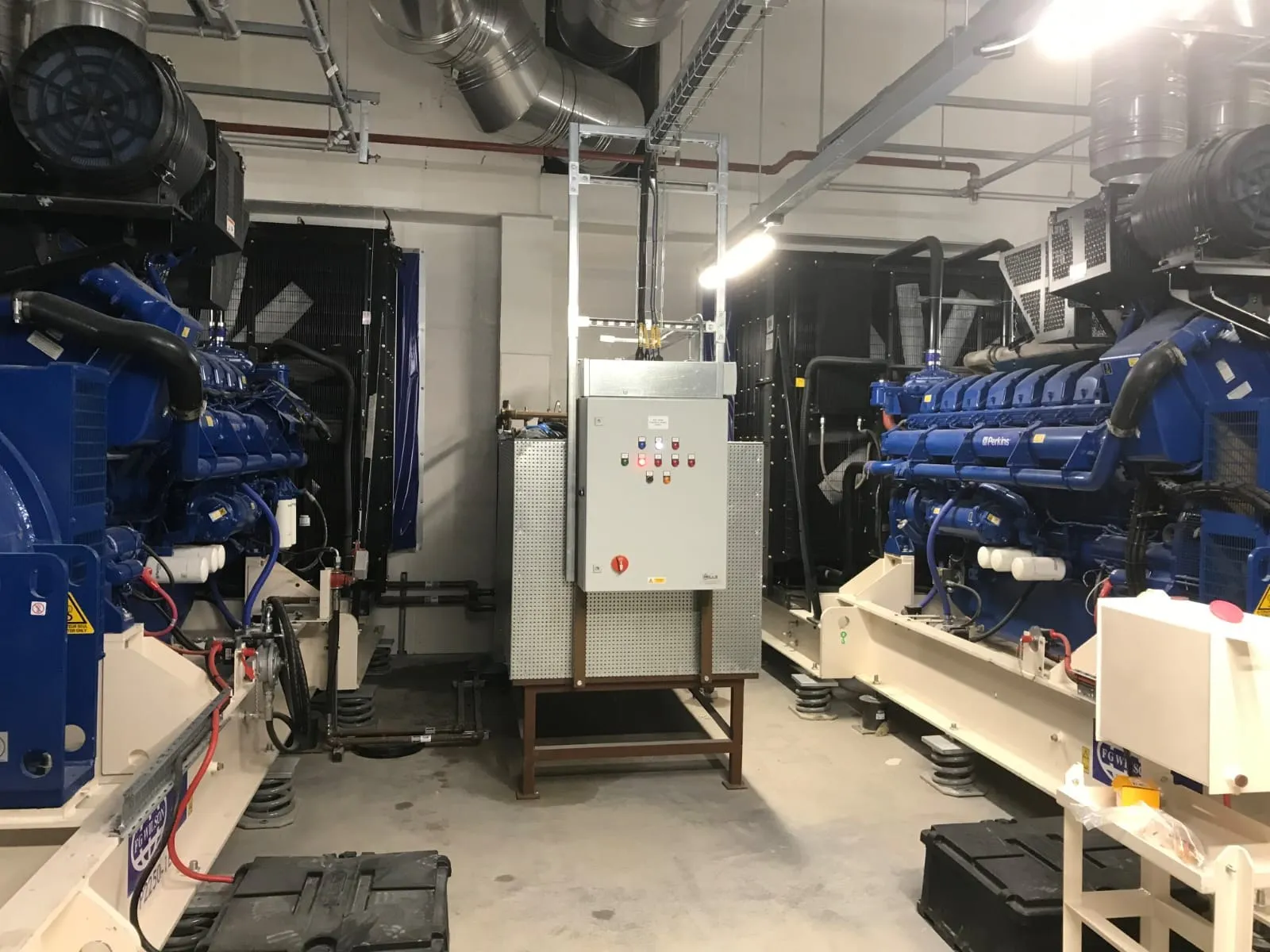
Farms are one of the biggest users of on-site fuel storage in the UK, tractors, generators, driers and general plant all need diesel, and for most working farms that means storing a meaningful quantity of it on-site rather than running to a filling station.
Why bunded tanks specifically
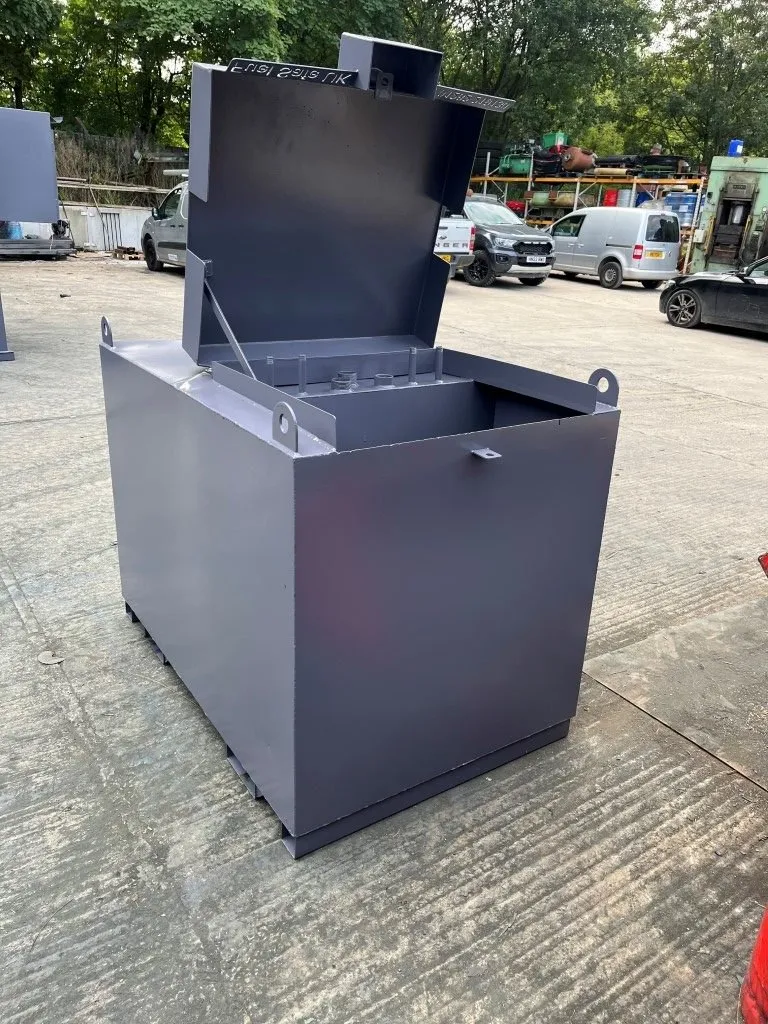
A bunded tank is a tank within a tank: the inner tank holds your fuel, the outer bund catches it if the inner tank ever leaks. For farms, that matters for two reasons, protecting watercourses and land that a spill could contaminate, and meeting the specific rules that apply to agricultural fuel storage.
The rules are different for farms
Agricultural fuel storage isn't covered by quite the same rules as a standard commercial site, there's a specific exemption for smaller quantities used in farming, and a separate set of standards (the Silage, Slurry and Agricultural Fuel Oil Regulations) once you're above that threshold. We've covered this properly in our agricultural fuel storage rules guide, worth a read before you buy if you're not sure where your farm sits.
Sizing for the job
Bunded tanks for farms range from a few hundred litres for a smaller holding up to large-capacity tanks for bigger operations running several vehicles. Get the size wrong and you're either paying for capacity you don't need or refilling more often than you'd like, our tank sizing guide walks through how to work out the right capacity.
Worth it beyond compliance
Farms that switch to on-site bulk storage typically see it pay for itself through bulk buying and fewer wasted trips, on top of the safety and compliance side. See our guide on saving time and money with bulk fuel storage for the numbers.
We build tanks specifically for agricultural use, see our Farming & Agricultural industry page for the range, or get in touch for advice on sizing for your farm.