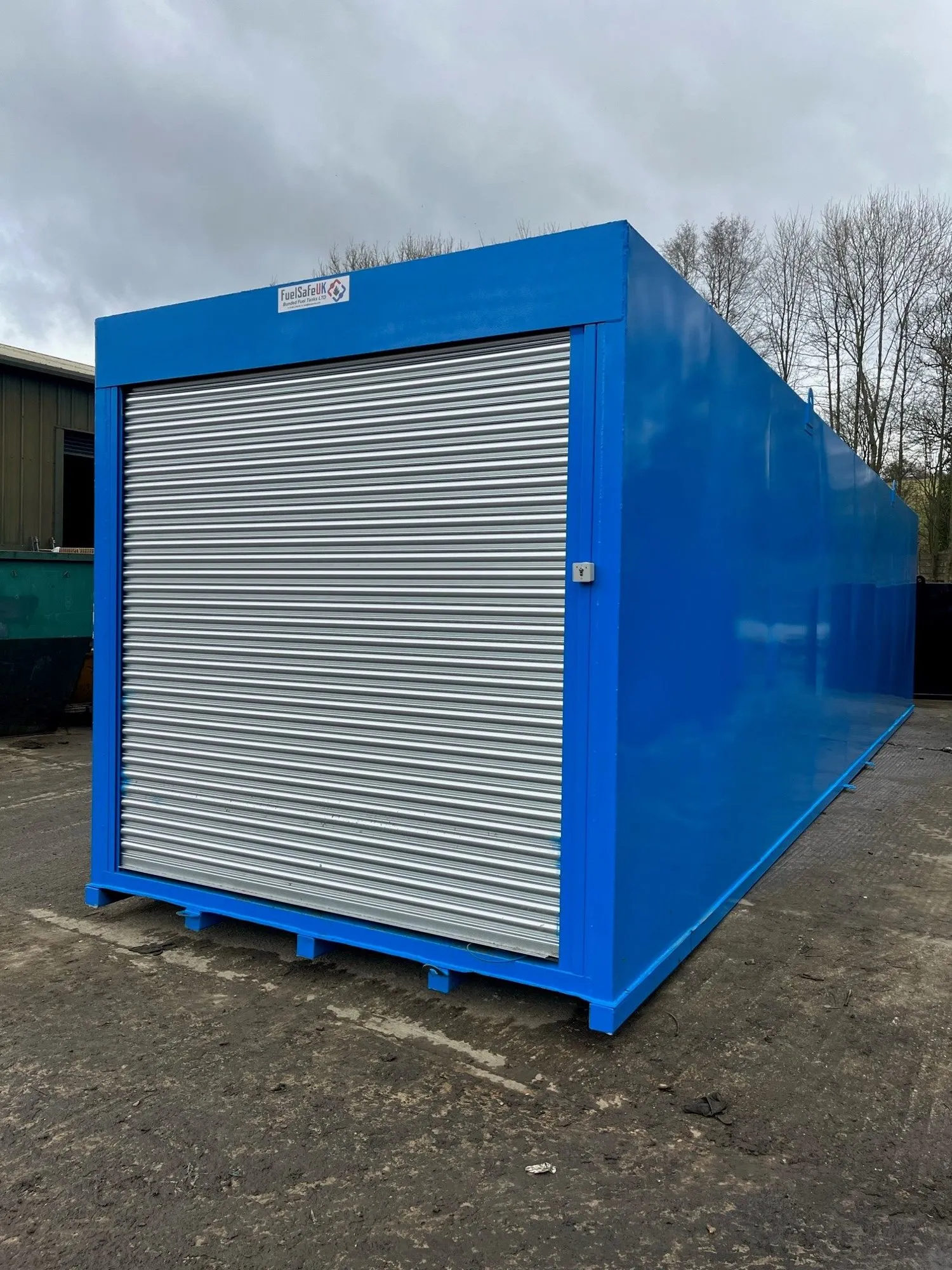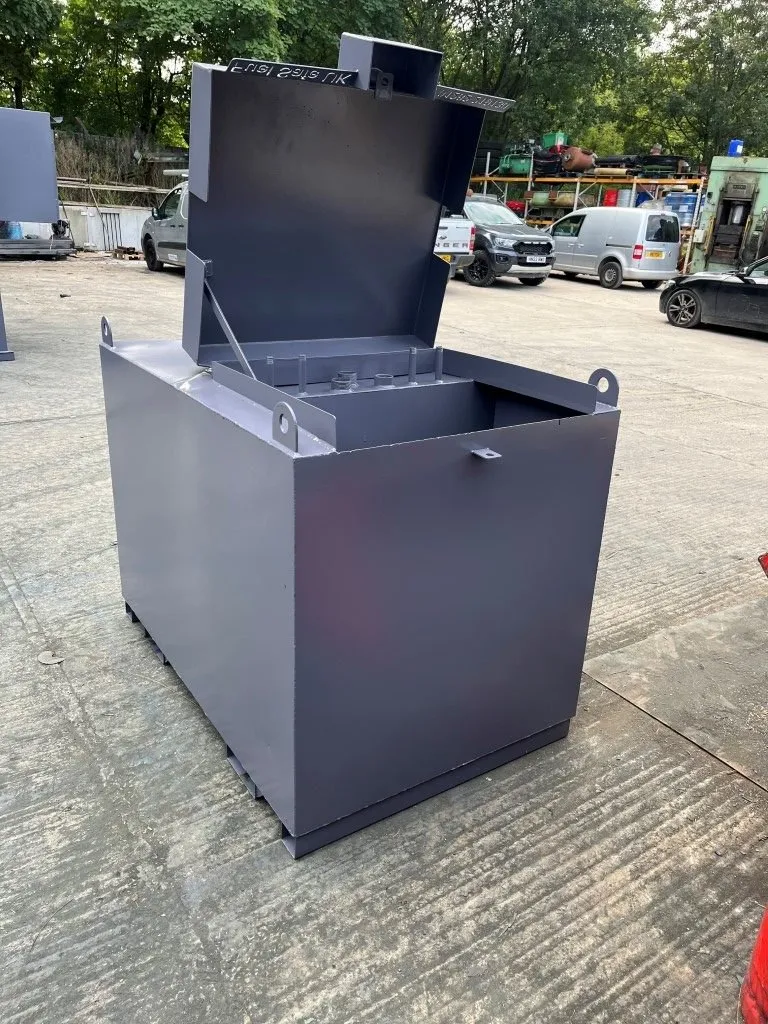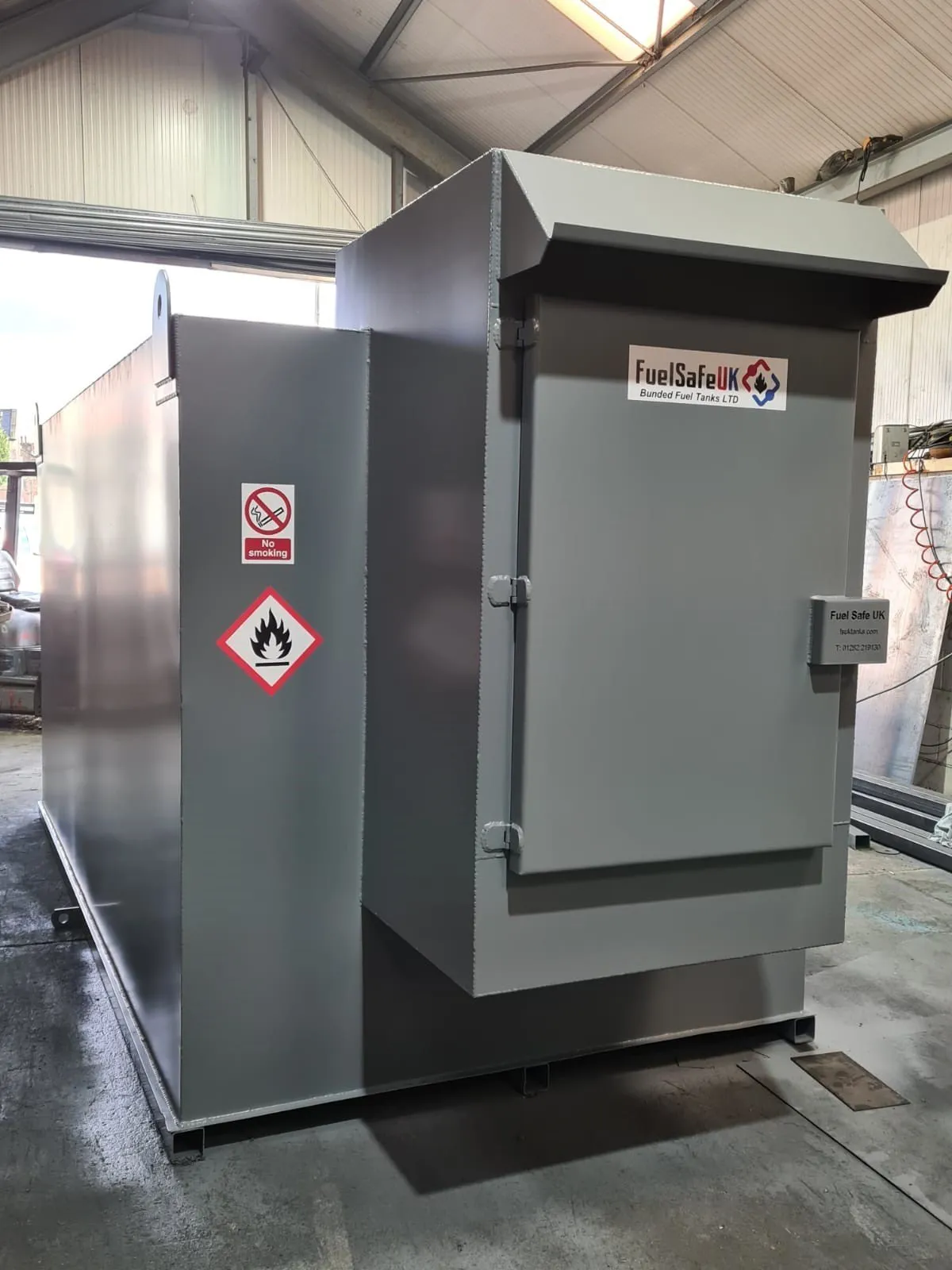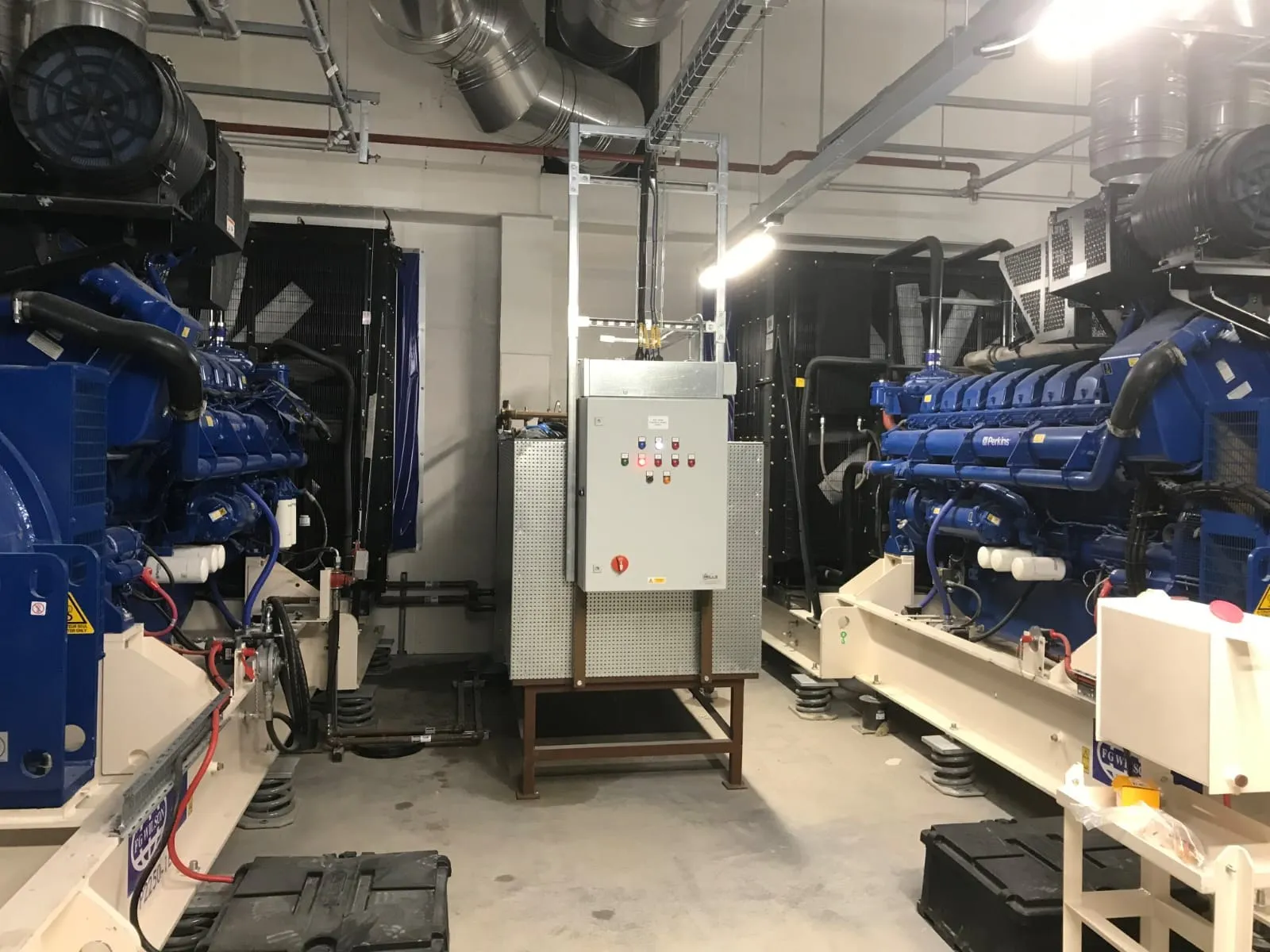
Getting a generator feed tank right is about more than just picking a capacity, how the tank connects to the generator, how long it needs to run unattended, and how it's sited all matter for safe, reliable operation.
Sizing starts with runtime, not just capacity
Rather than picking a round number, work backwards from how long the generator needs to run between refuels. Take the generator's fuel consumption rate at typical load, available from the manufacturer's spec sheet, usually given in litres per hour, multiply by the hours of runtime you need to cover, and that's your baseline capacity. Build in a margin rather than sizing to the exact figure.
Standby vs prime power changes the calculation
A standby generator that only runs during a power cut has very different fuel needs to a prime power generator running continuously on an off-grid site. Standby setups can often work with a smaller tank sized for a realistic outage duration; prime power applications typically need enough capacity to comfortably cover planned refuelling intervals without the generator ever running dry mid-operation.
Base-mounted vs separate feed tanks
Some generators come with a small integrated base tank good for a few hours' runtime; for anything running longer or supplying larger generators, a separate bunded feed tank sized to the actual runtime requirement is the more practical option, and gives you room to scale if generator demand grows.
Keep the fuel line and connection right
The tank needs to be positioned so the fuel line to the generator is a practical, properly supported run, not stretched, kinked or exposed to damage from vehicles or foot traffic on site. If the tank includes a pump, make sure it's rated to reliably supply the generator at the flow rate it actually needs under load.
Safety clearances matter as much as sizing
Fuel tanks need to be sited with proper clearance from the generator itself and from any potential ignition sources, in line with fire safety guidance for fuel storage. This is particularly relevant on sites running generators continuously, where heat from the unit is a constant factor rather than an occasional one.
Don't forget compliance
A generator feed tank is still a fuel tank under UK oil storage regulations, if it holds more than 200 litres, it needs to be bunded like any other commercial tank. See our bunded fuel tank regulations guide for the detail.
We build generator feed tanks to the exact capacity and configuration your setup needs, see our Generator Feed Tanks range, or get in touch and tell us your generator's spec and required runtime, and we'll help you size it correctly.